Everything you need to know about fuel cards in 2025
Read more


23 October 2025
Fuel coverage means the network of stations, fuel types, and services your fuel card gives you access to. The best coverage for your business depends on where your vehicles travel, what fuels they use, and whether you need extras like motorway sites, HGV lanes, or EV charging.
If you’re looking into fuel cards for your business, coverage is one of the first things you’ll see mentioned. But what does fuel coverage mean, and how do you know which type of coverage suits your business best? This guide explains exactly what fuel coverage includes, the different types available in the UK, and how to match coverage to your business needs.
Jump to:
When it comes to fuel cards, coverage is where your business can access the fuel and other services it requires. It typically includes:
Put simply, fuel coverage sets out where you can use your fuel card, how you can use it, and what you can use it for.
The UK has a wide range of fuel card coverage options. Understanding the differences will help your business pick the right one.
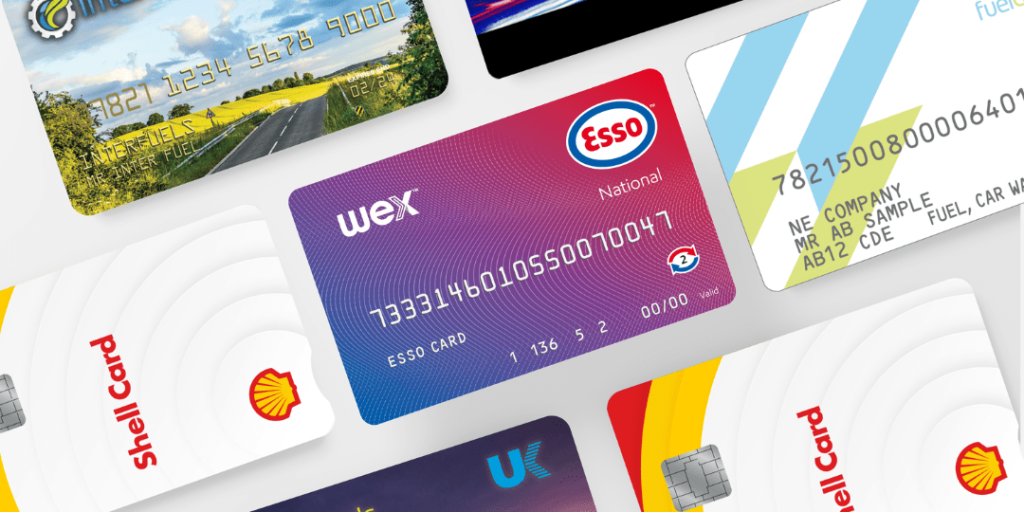
Fuel cards tied to brands like Shell and Esso offer access to their nationwide forecourts. These often include motorway coverage and premium services, but may have higher average pump prices.
Fuel cards from supermarkets like Tesco, Sainsbury’s, Morrisons, and Asda provide access to their forecourts. This is often the cheapest pump price option, which is ideal for businesses working in built-up areas looking to reduce their cost per litre.
Some fuel cards focus on regional chains or independent forecourts, offering coverage where brand networks are weaker. This suits businesses operating outside major cities or in more rural areas.
Fuel cards, such as the Shell Fleet card, provide coverage on motorways and 24-hour truck stops across the UK. While pump prices can be higher at these stations, these cards are usually a popular choice for long-haul fleets.
Certain fuel cards, such as Key Fuels, are designed for heavy goods vehicles. These cards often give your fleet access to high-flow diesel pumps, dedicated truck stops, and forecourts with AdBlue at the pump.
Stop paying more than you need to. Compare fuel cards with We Compare Fuel Cards today and start cutting your fleet’s costs straight away. Start now!
When comparing fuel card coverage, focus on more than just price. The right choice comes down to where you can use it, what fuel it covers, and how it fits your fleet’s needs. Here are some key questions to ask yourself when choosing the right fuel card coverage for your fleet:
How many stations are included with your fuel card?
The value of a fuel card isn’t just about the number of stations it covers; it’s also about where those stations are. A provider may advertise access to thousands of forecourts, but that only matters if they’re on your drivers’ regular routes. If your fleet covers long-distance haulage, national coverage across motorways will be a priority.
For regional businesses, having local stations near depots or delivery zones is far more useful. It’s also worth checking the mix of stations included (e.g. whether they cover supermarkets, motorway services, or specialist truck stops), so you know your drivers won’t need to detour or pay higher prices unnecessarily.
Is the fuel card compatible with your fleet’s fuel type?
Not every card covers every fuel. Check whether your card allows diesel, petrol, or EV charging, and make a note of extras, like AdBlue, and lubricants.
What is the fuel card’s pricing model?
Fuel cards either offer fixed weekly prices or pump prices. The right fuel card for you will depend on whether you prefer flexible or fixed pricing throughout the month.
Does the fuel card include hidden charges?
Some providers charge account fees, penalties for underuse, or transaction charges. These can eat into fuel card savings if not closely monitored, so make sure you’re clear on exactly what is part of the fuel card you choose.
Does the fuel card include additional services?
Many fuel cards go further than just saving money on fuel, including handy features such as:
How do you pay with your fuel card?
Fuel cards can work in two main ways. Some run on a prepaid basis, which lets you load funds in advance and limit spending; ideal if you want tighter control over costs.
Others operate on a credit basis, where your drivers fill up first and payments are settled later. This option can help improve cash flow, simplify expenses, and consolidate all fuel purchases into one invoice.
The fuel card coverage you choose should match how and where your business operates, and the type of fleet you run.
Fuel card coverage for local fleets and small businesses
If you run a small fleet of vans or cars for local jobs, the best fuel card coverage for your business may be at supermarket forecourts. The lower pump prices mean your drivers can refuel easily near their home or office bases.
Fuel card coverage for long-haul HGV and logistics companies
For long-distance operations, the best fuel card for your business will include nationwide and motorway coverage. HGV-specific cards, such as Key Fuels, with access to high-flow pumps, truck stops, and AdBlue at the pump also reduce downtime and keep your vehicles compliant.
Fuel card coverage for mixed fleets
If your business has a mix of cars, vans, and lorries, the best fuel card coverage is one that’s flexible to your needs. Cards like UK Fuels include supermarket coverage, as well as motorway and HGV access, and could be a great choice for keeping things simple across your fleet.
The best fuel coverage depends on the type of business you run:
Now that you know what fuel card coverage means, the next step is finding the option that truly works for your business. With We Compare Fuel Cards, you don’t have to waste time guessing – we’ll show you the best deals, so you can cut costs and keep your fleet moving without interruptions. Compare now to start saving on every mile your fleet drives.
How much does a fuel card cost?
Fuel cards themselves are usually free to apply for, but providers may charge monthly account fees, transaction fees, or minimum usage fees. Some cards also include optional extras like detailed reporting at an additional cost.
What extra benefits do you get from a fuel card?
Many fuel cards offer extra benefits like consolidated HMRC-compliant invoices, online account management, spending controls, and fraud protection. Many also provide access to AdBlue, lubricants, car washes, and even EV charging points, depending on the coverage. For businesses, the biggest benefit is time and cost savings through simplified admin and better expense control.
Which fuel card saves the most money?
The fuel card that saves the most money depends on your fleet’s needs. Supermarket fuel cards usually offer the lowest pump prices, ideal for local fleets. Fixed-weekly price cards often save long-haul fleets more, especially when fuel prices fluctuate. The key is to match the card’s coverage and pricing model to your routes and fuel types to get the most savings.